




.jpg "TEAM: Probot")


All Tomorrow's Parties by Julian Muffinbot
April 27th, 2008 8:55 PMI explored three neighborhoods in Chicago: Wicker Park, Humboldt Park, and Pilsen. Wicker Park (northwest of downton Chicago) was chosen because it is my neighborhood, so I'm attached to it and experience it daily. It currently is undergoing gentrification at a rapid rate, and I wanted to compare it to neighborhoods in other stages of gentrification. Both Humboldt Park (located directly west of, and bordering, Wicker Park) and Pilsen (southwest of downtown Chicago) are frequently cited as places the artists and hipsters are heading now that Wicker Park is filled with yuppies and boutiques. Both are also frequently (though less and less often) cited as more dangerous/sketchy than Wicker Park.

(Wicker Park is unlabeled at this distance, but is represented by the green pin)
I walked through several residential blocks in each neighborhood, making notes on printouts of Google satellite maps, of which buildings were old architecture and which were new. Specifically, I focused on a type of apartment building found in many neighborhoods in Chicago, and one that is extremely common in all three neighborhoods: narrow two- or three-flat brick or graystone apartment buildings. In Wicker Park, these old buildings are being frequently knocked down and replaced with rapidly constructed new versions. In Humboldt Park and Pilsen, this is also happening, but the process is quite a bit further behind. There are several main differences between the old and new versions of these buildings. Examples:

Older architecture (from Wicker Park)

Newer architecture (also from Wicker Park)
Characteristic features of the older buildings:
-Decorative brick and stonework
-"Back brick" (grayish brown, imperfect-looking bricks) everywhere but front outside wall
-"Front brick" is evenly colored, very rectangular, red or brown brick, or graystone
-Indoors feature small bedrooms, large common areas, generally only one bathroom

Example of "back brick" on an old building in Wicker Park (i have no idea what this is really called among people with actual architecture knowledge)
Characteristic features of the newer buildings:
-Less decorative architecture
-Instead of actual bricks, everywhere but the front outside wall is usually made of large gray cinderblocks
-"Front brick" is similar to old buildings' front brick
-Indoors feature larger bedrooms, smaller common areas, and multiple bathrooms

Example of cinderblocks on a new building (in Humboldt Park)
Back at home, I transcribed my notes onto the google satellite maps, to make the Time Maps. On each Time Map, the old buildings have blue dots, the new ones have red dots, and unknown (not that specific type of brick architecture) have yellow. In some cases, the new buildings were so new that they weren't even on the map. I put the colored dot there regardless.

Wicker Park Time Map - note the many red dots

Humboldt Park Time Map - fewer red dots, but they are definitely starting to encroach, from east to west

Pilsen Time Map - hardly any red dots
Then I was a total dork and made a graph.

The photo section contains many other photos not used in the main proof body, so please have a look at them if you are interested in more detailed views and comments on the three neighborhoods' similarities and differences as revealed by their old and new brick apartment buildings. Also contains bonus pictures of urban fishing, as well as the ugliest building in Wicker Park.
Two typical older-construction brick buildings, in Wicker Park
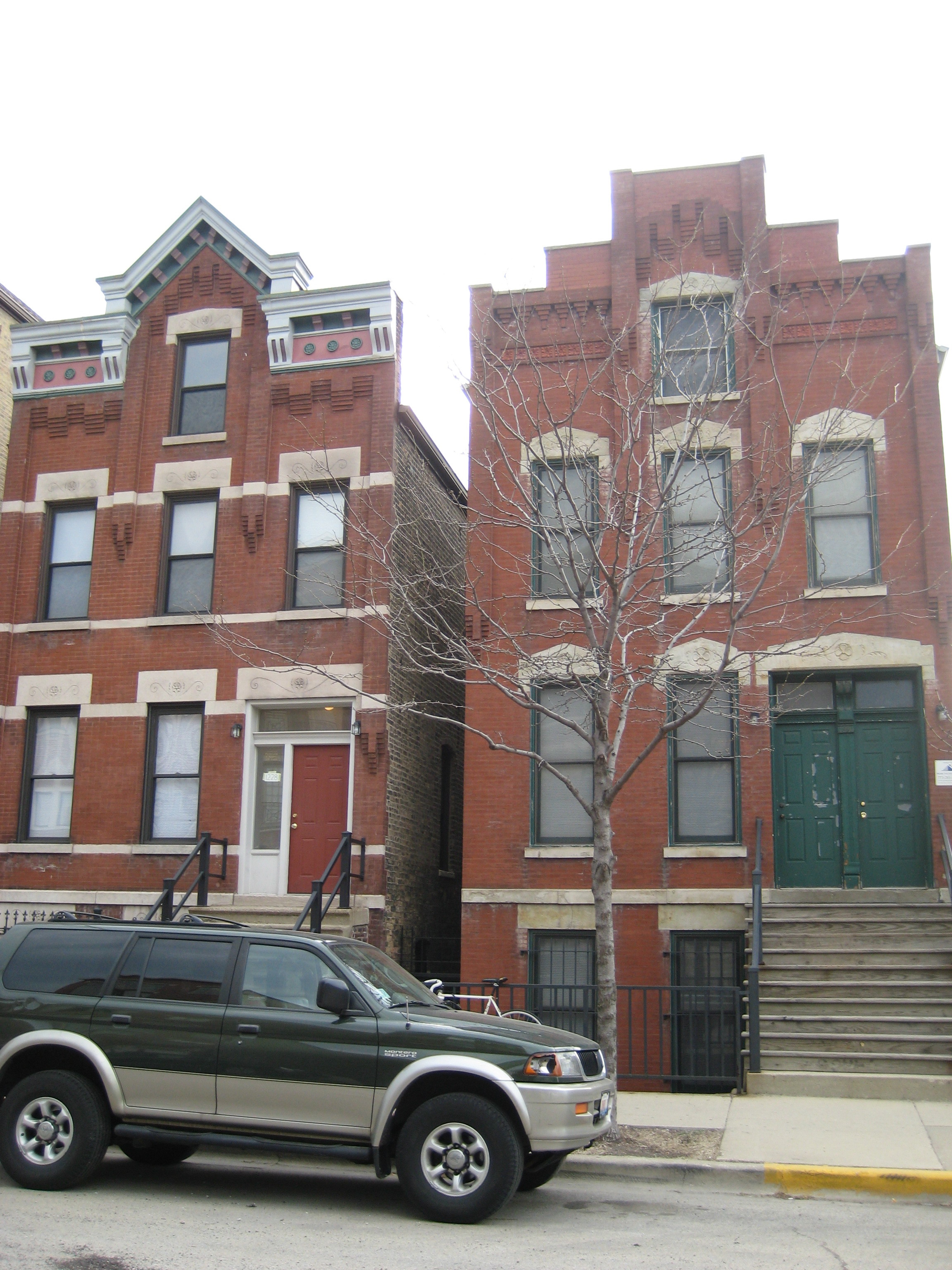
Two typical older-construction greystones, in Humboldt Park
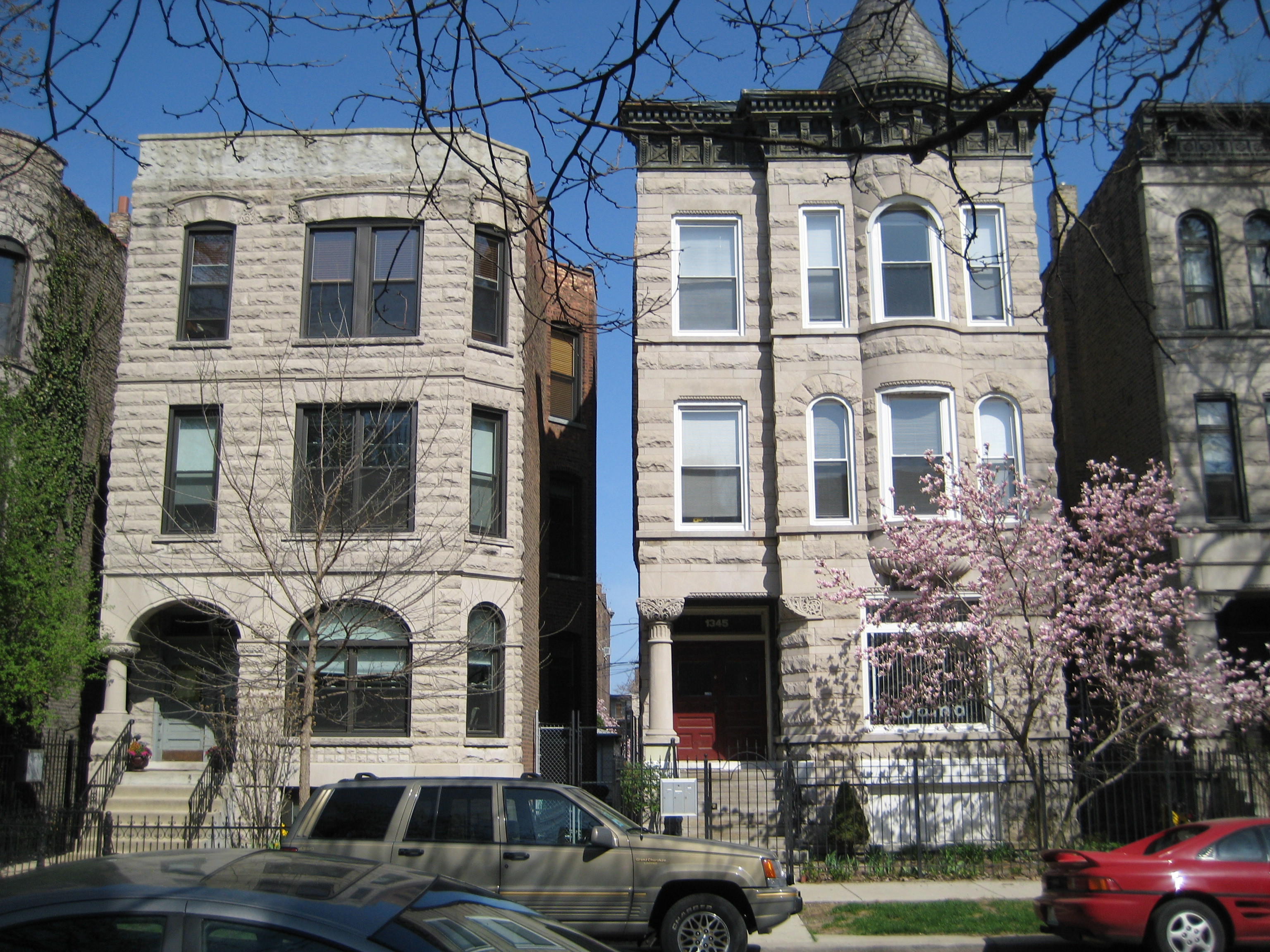
Two typical new-construction buildings in Wicker Park
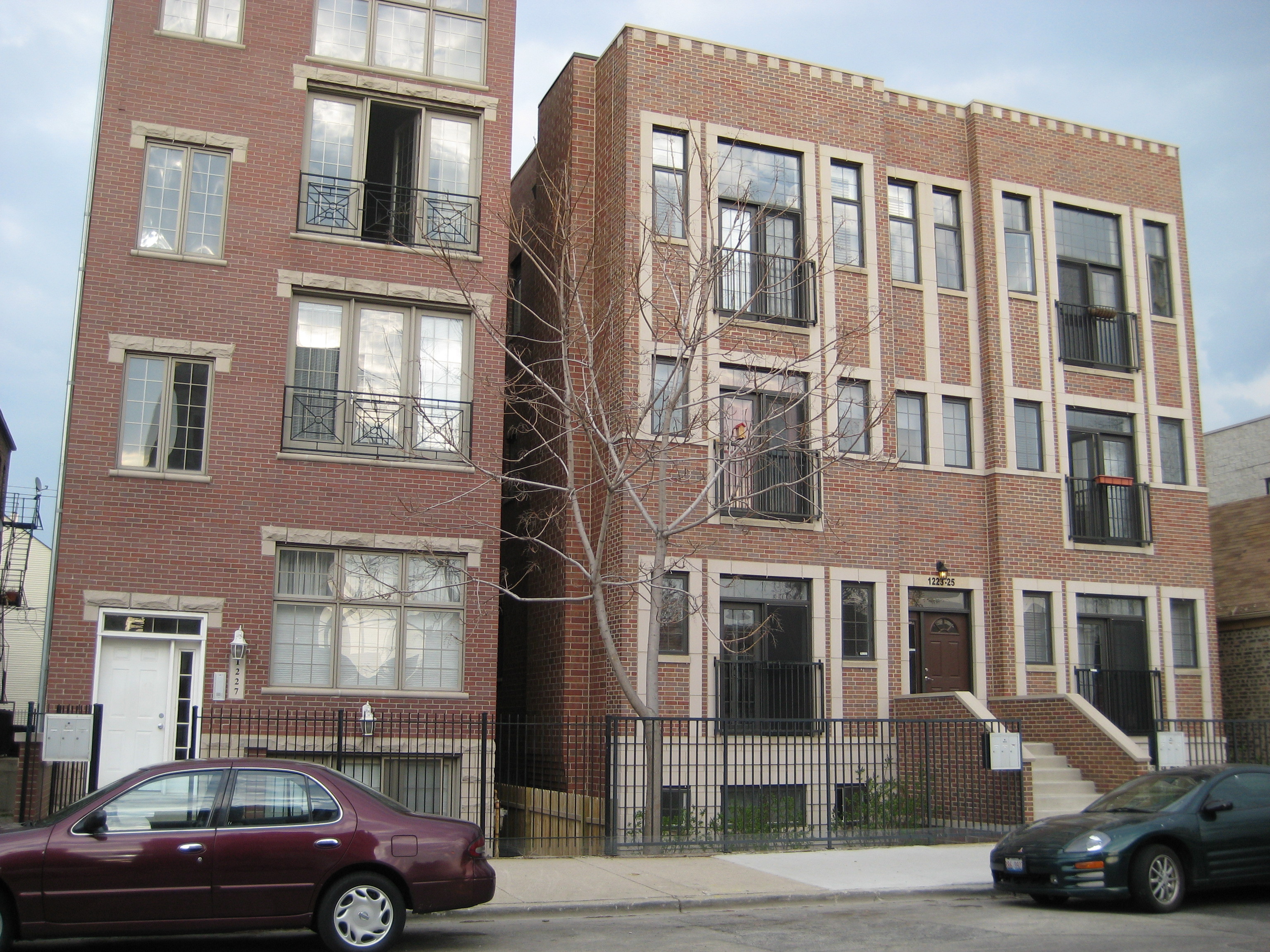
attempting to look similar to their older counterparts, yet more sleek and modern
This is "back brick"
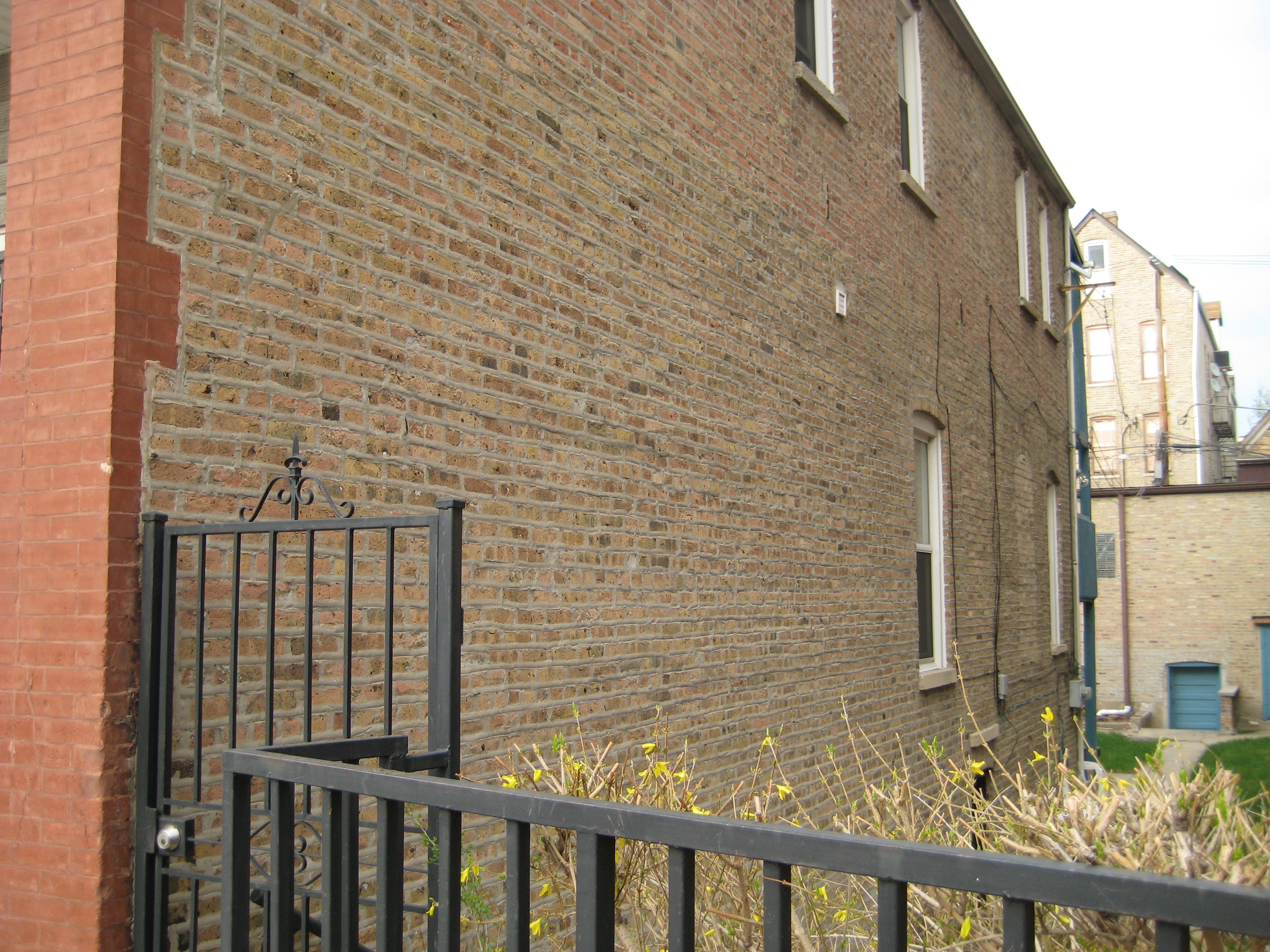
All but the very front of older-construction buildings are made with back brick.
Patched up back brick

No one cares what the back of a building looks like, apparently, even if it faces a wide open space and everyone can see it
New buildings use gray cinderblocks in place of back brick
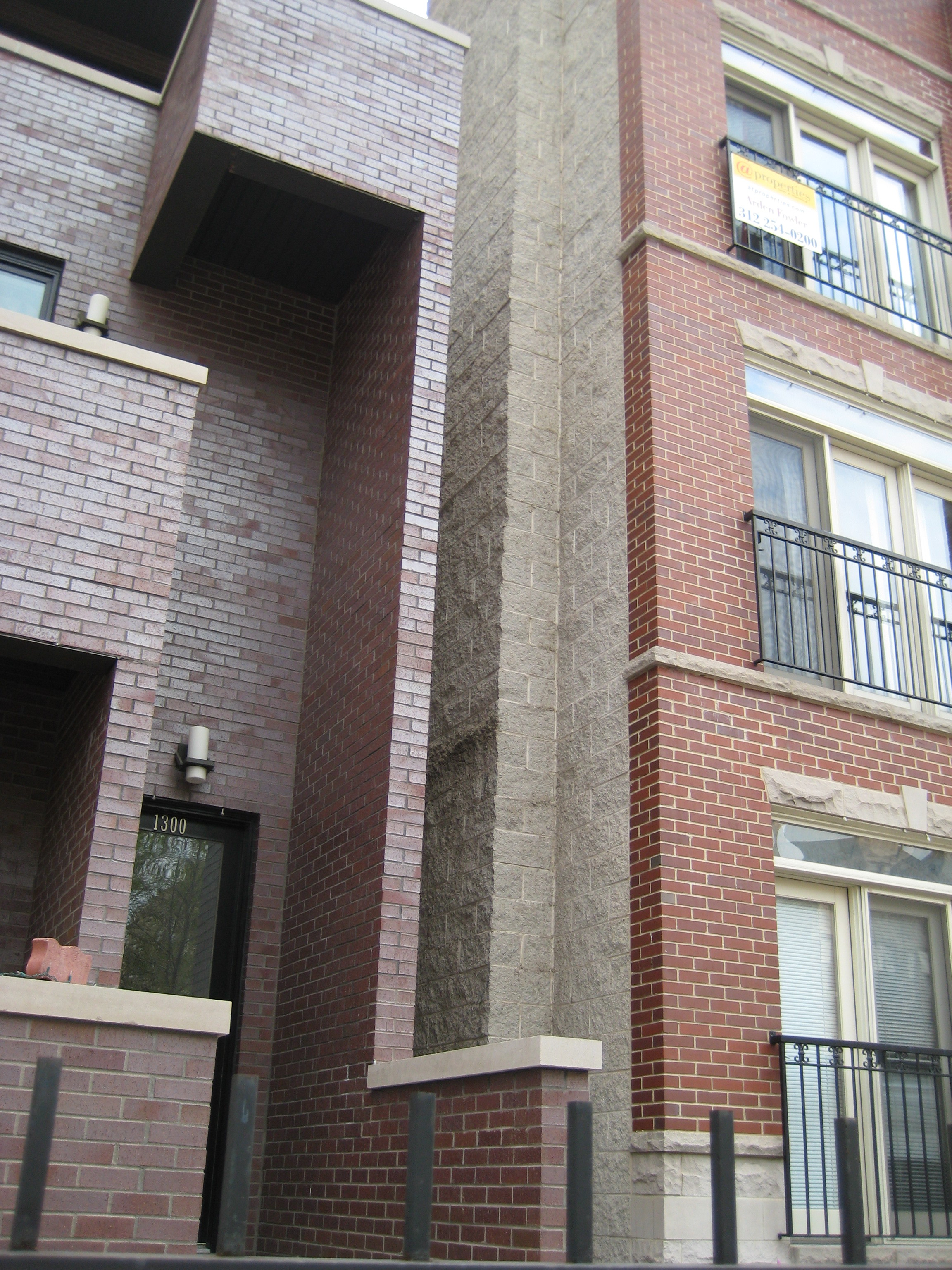
New building in Humboldt Park
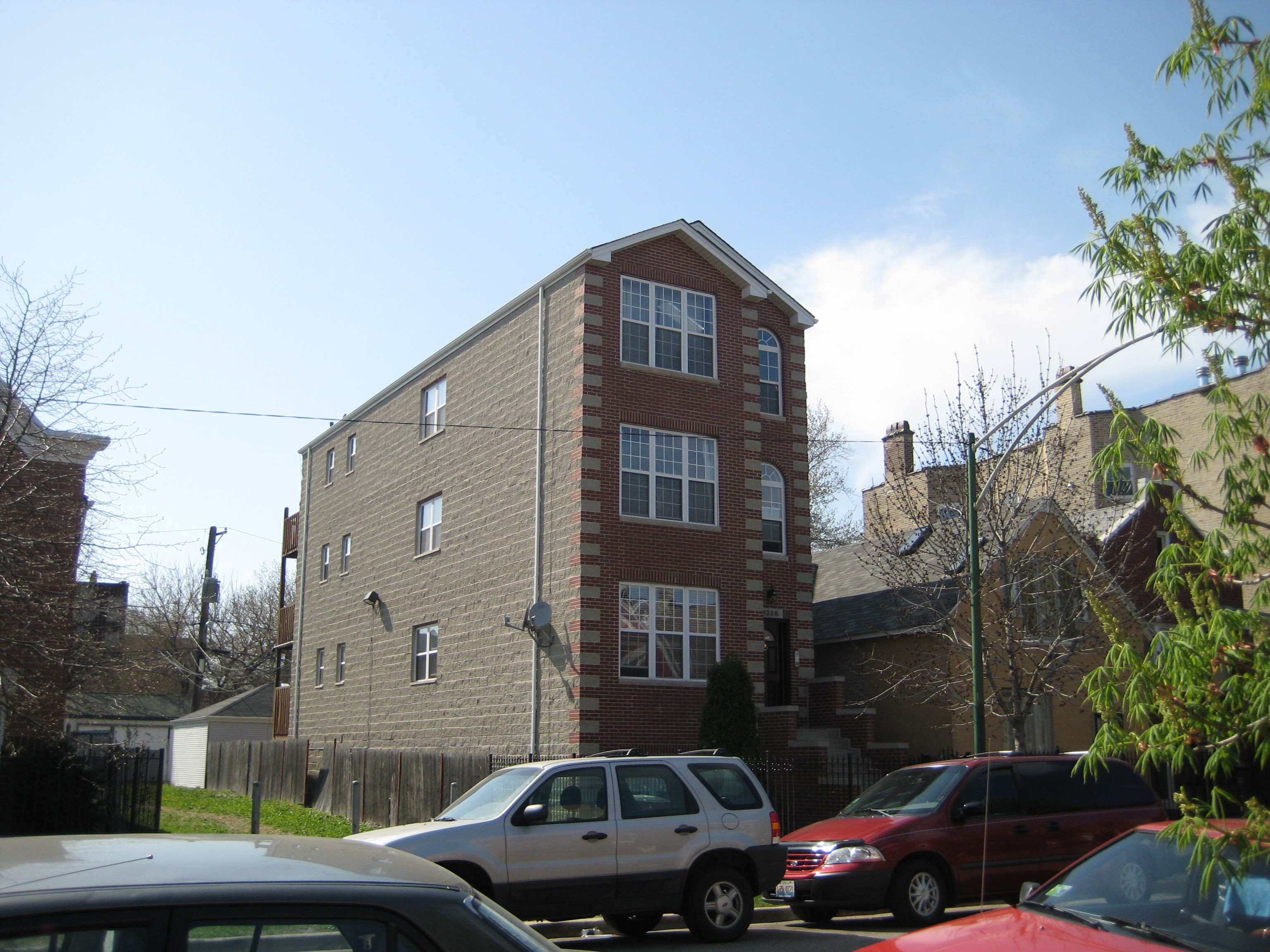
This Humboldt Park new construction, built next to an empty lot, shows the cinderblocks well
New construction in Pilsen

So new, it's still being built.
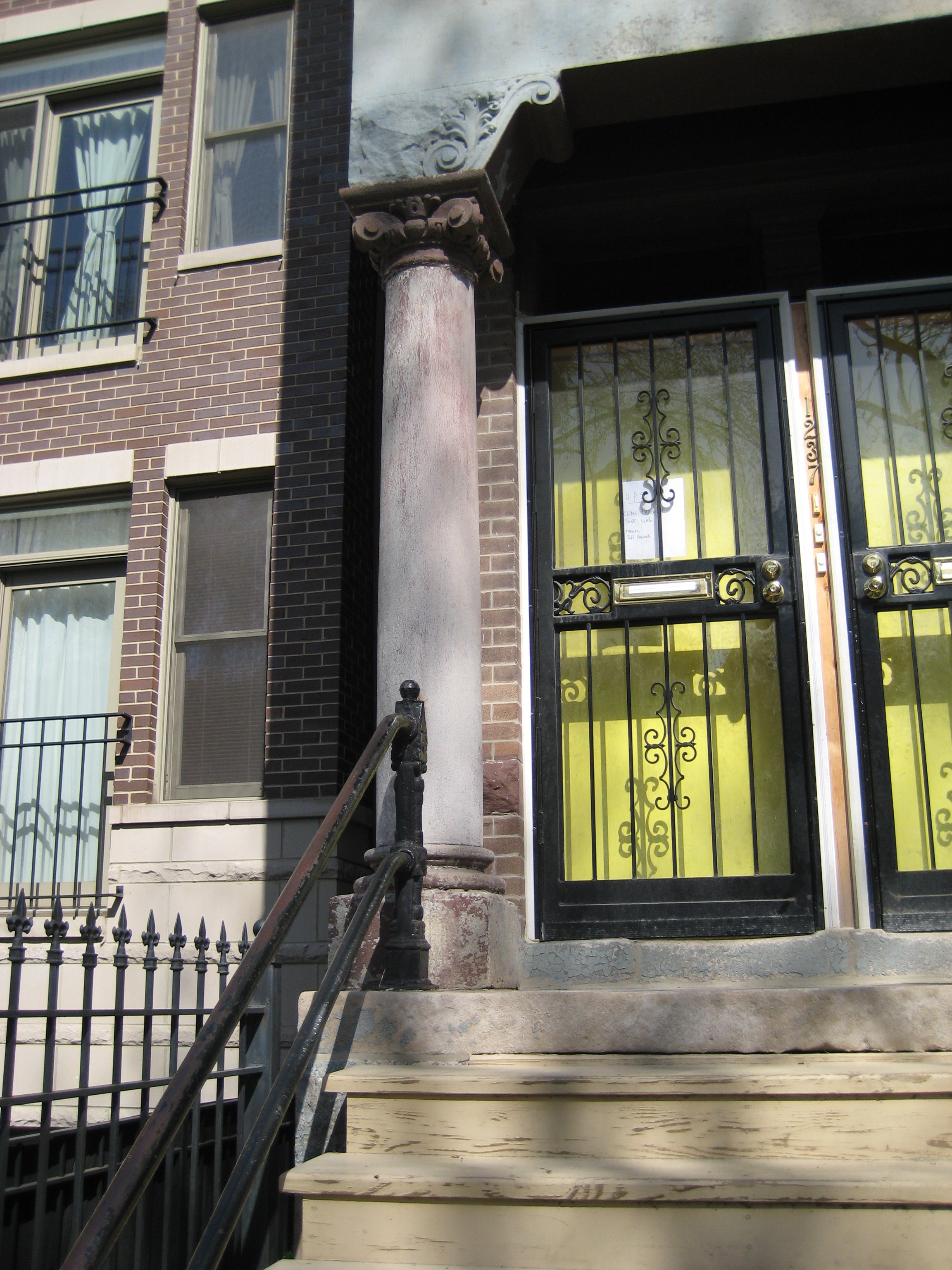
Humboldt Park buildings side by side
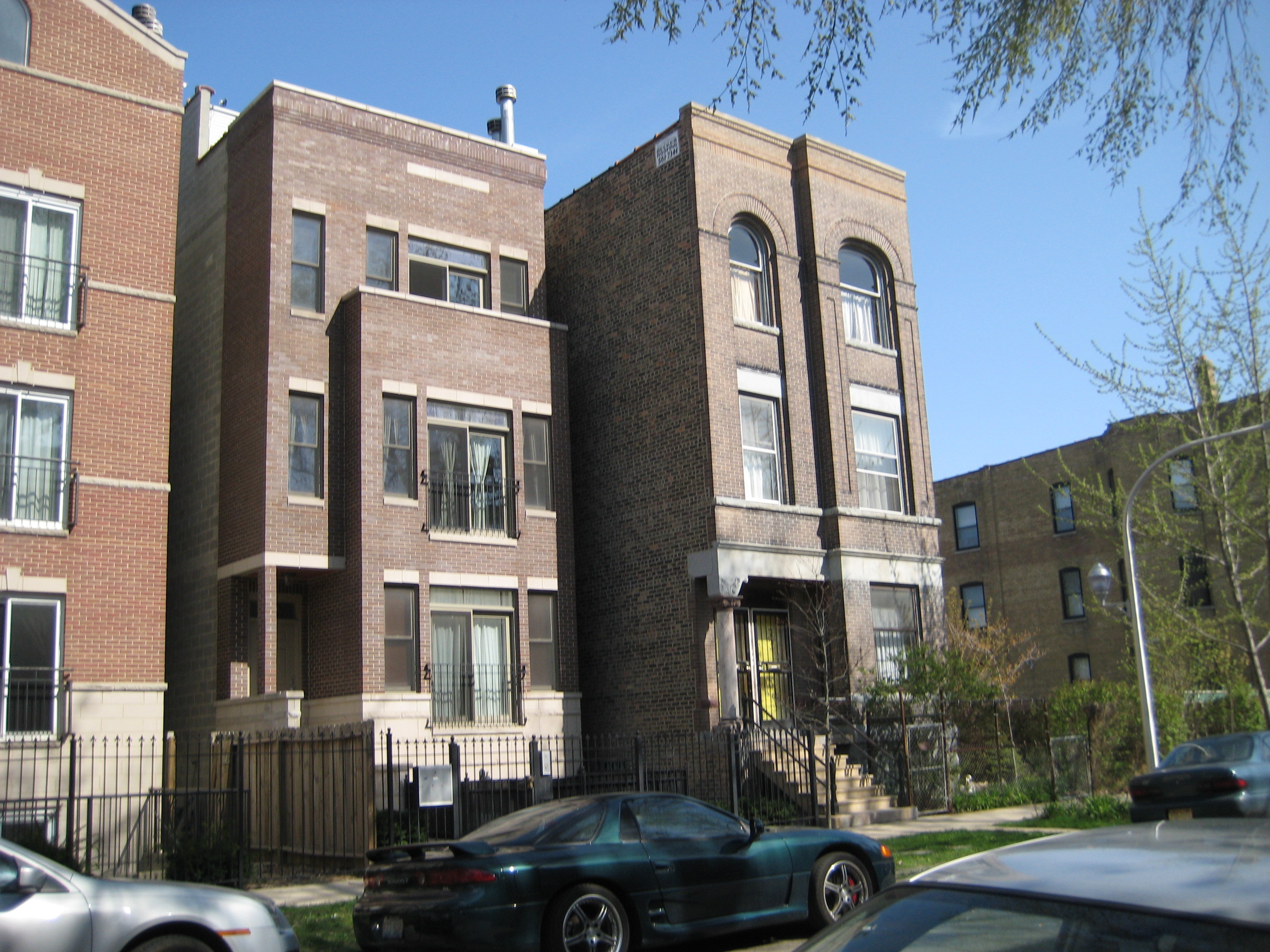
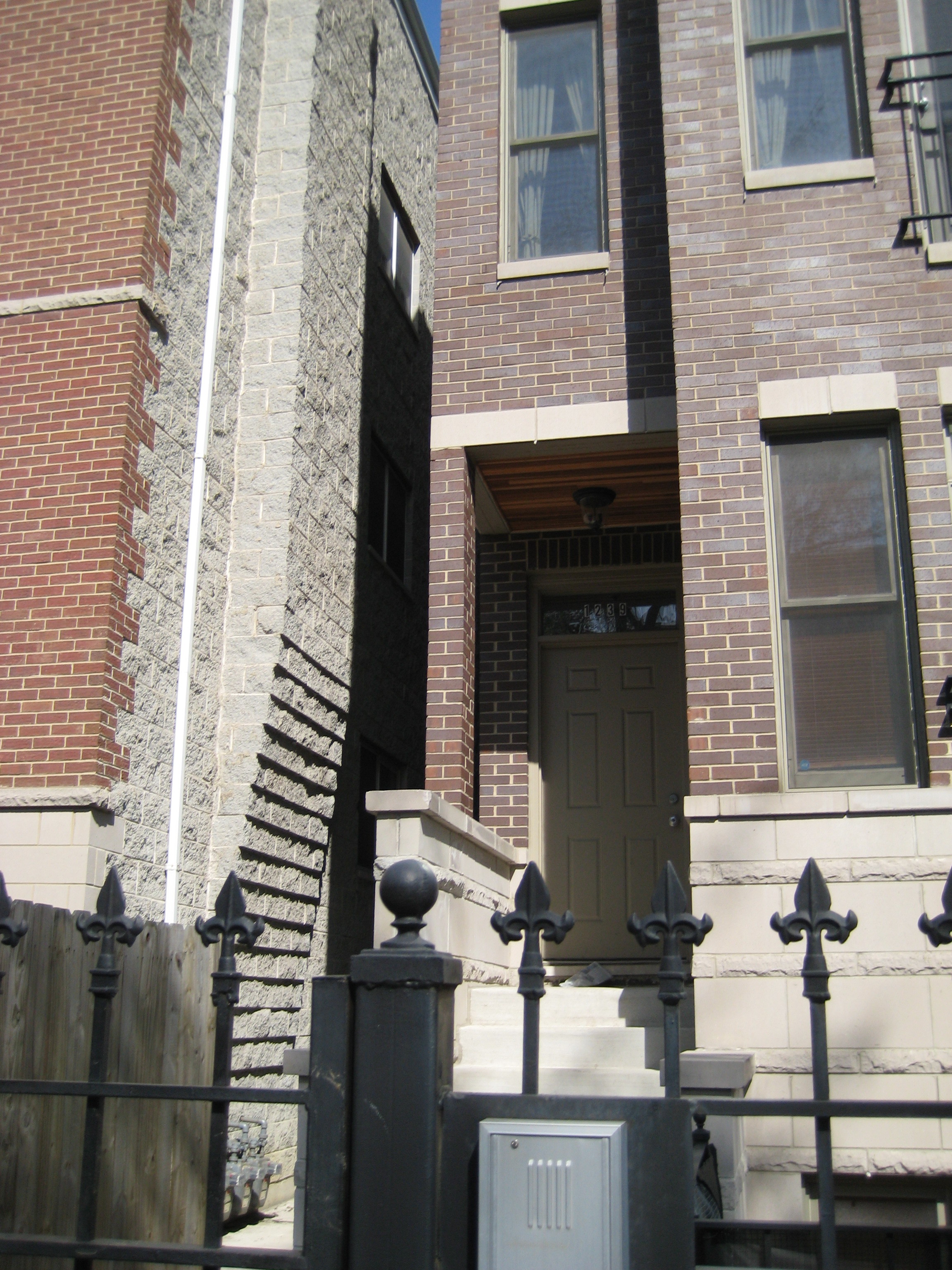
A new-construction brown brick building (center) tries to blend in next to an old-construction brown brick building (right).
The old one has a cylindrical column with decorative molding
The new one has an unadorned brick column
Former residential-street storefront
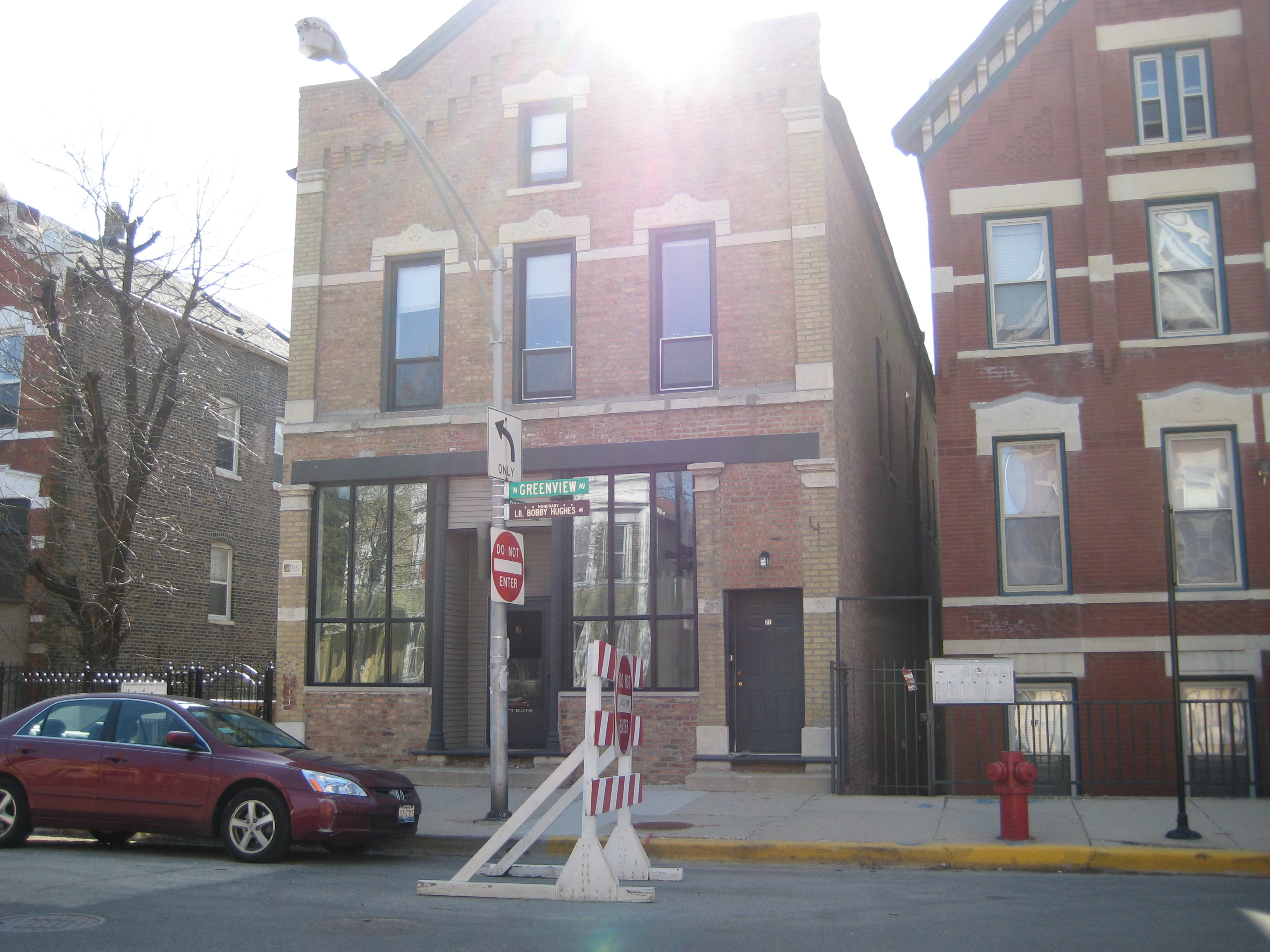
In Wicker Park, an example of a storefront apartment. I remember when this was a corner store, or rather, a middle-of-the-block store, about 8 years ago. Nowadays most former storefronts on residential Wicker Park streets have turned into apartments, and only the major commercial streets have actual businesses and stores.
Still a storefront... sort of
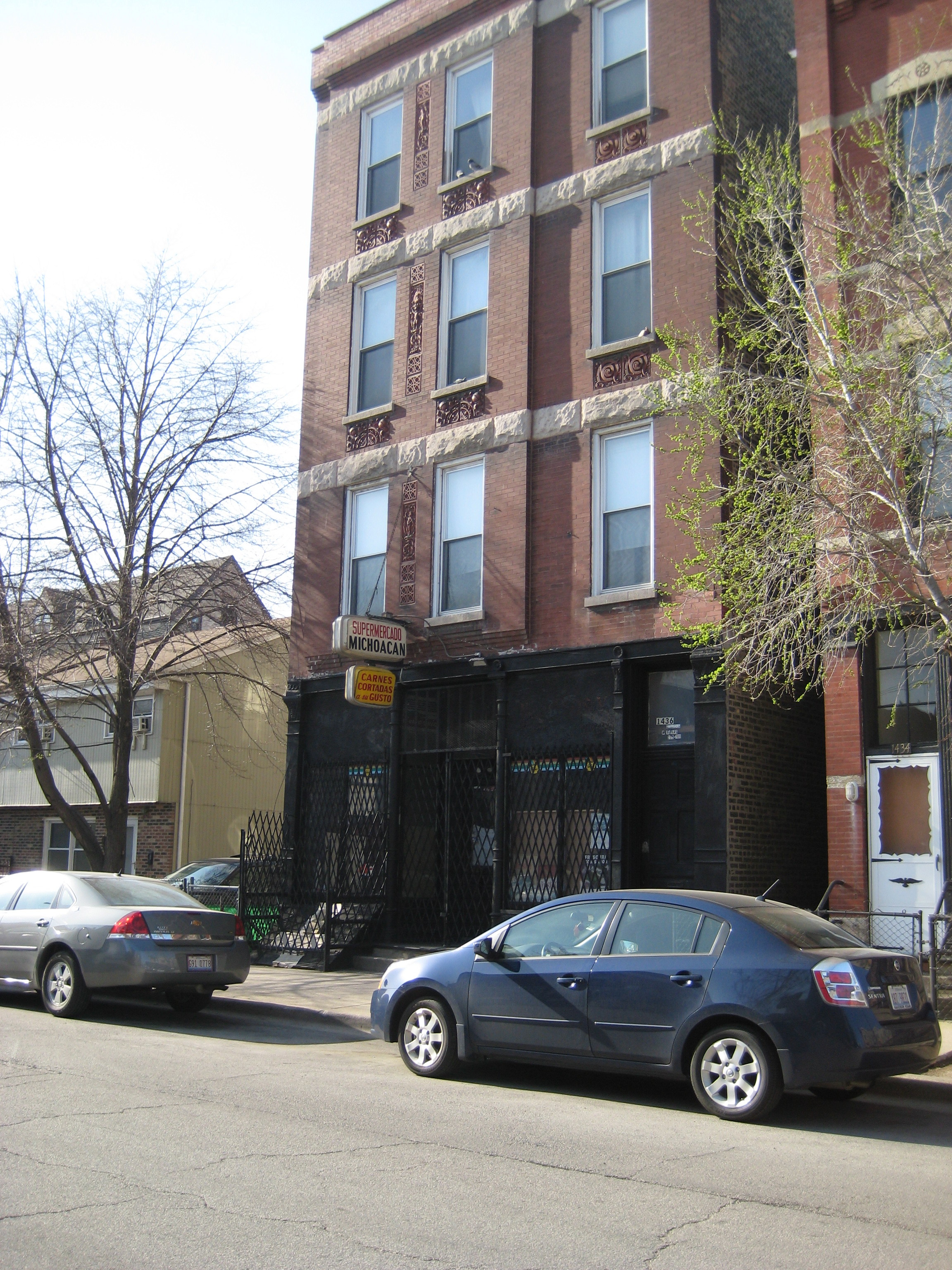
Another former storefront in Wicker Park. Well, it is still a storefront but the store has been closed for years.
Pilsen business on residential street

Still open.
Another Pilsen business on a residential street corner

Church on residential street in Humboldt Park
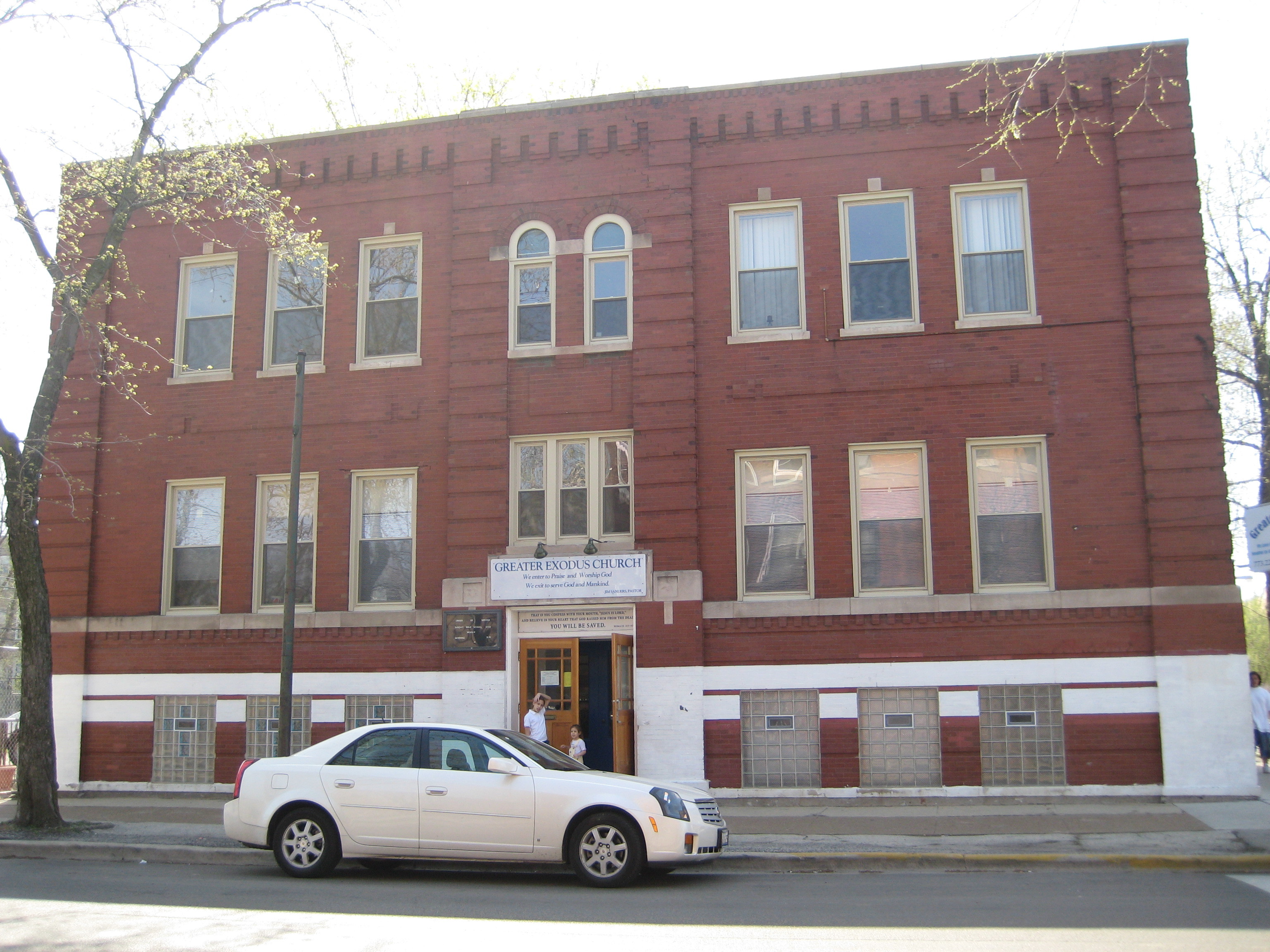
Churches commonly occupy older buildings not originally designed to be churches. Less and less common in Wicker Park, still common in Humboldt Park and Pilsen
Exciting storefront in Pilsen
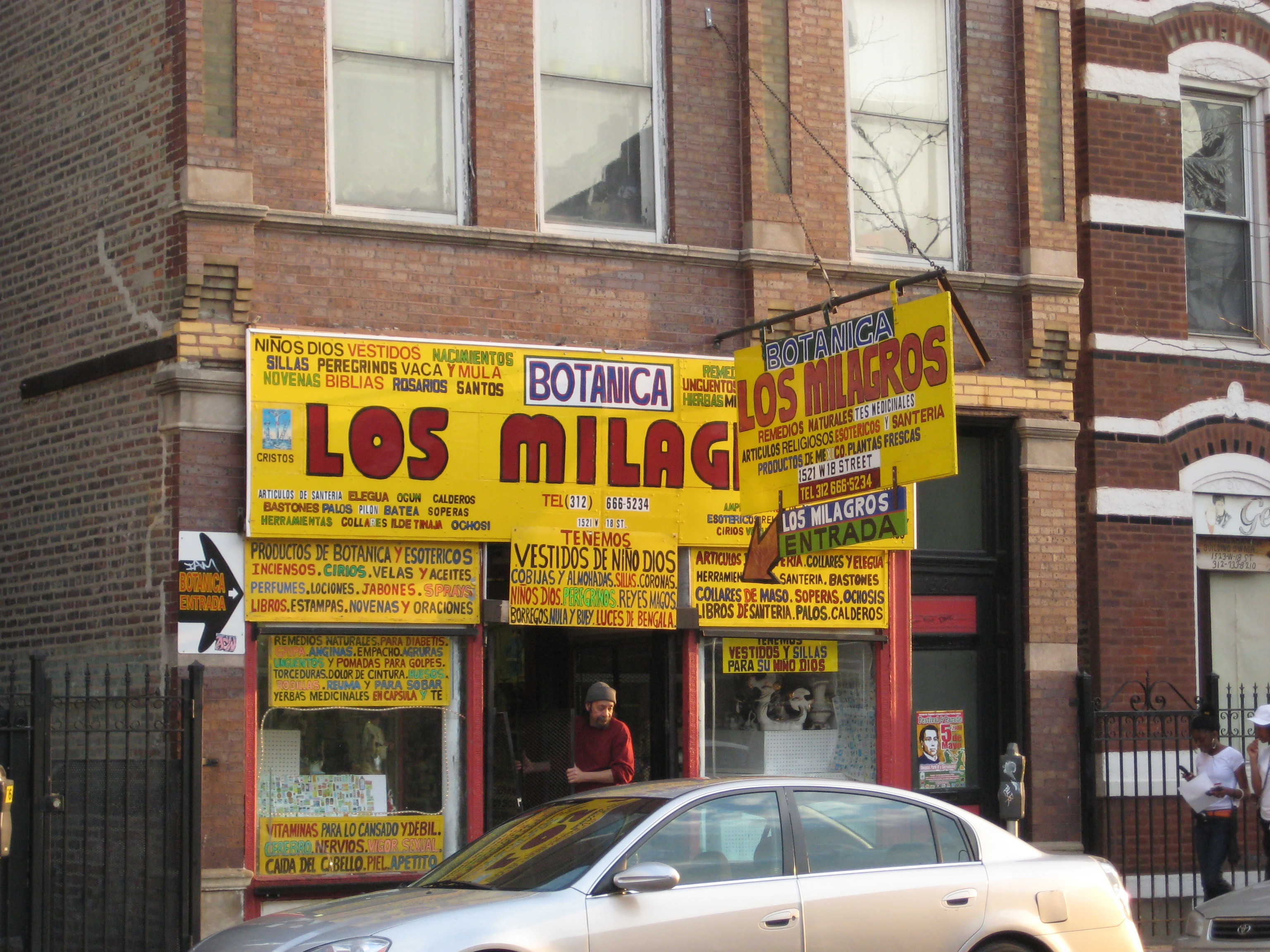
Pilsen - Sign of Gentrification #1

Gentrification in Pilsen is way behind that of Wicker Park, but signs like this are signs of what has begun to happen.
Pilsen - Sign of Gentrification #2
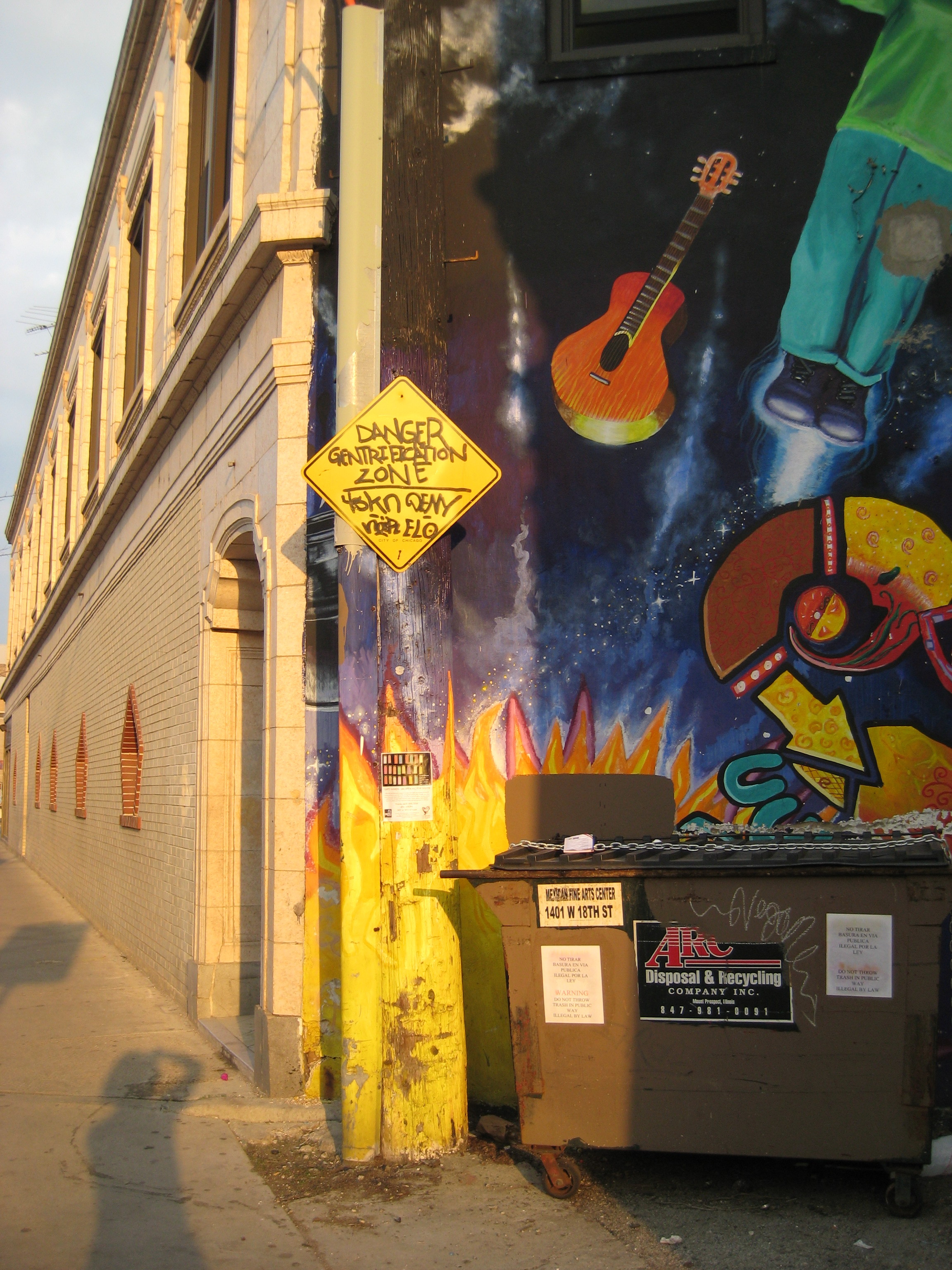
Graffiti artist also warns of the impending gentrification
Pilsen - Sign of Gentrification #3
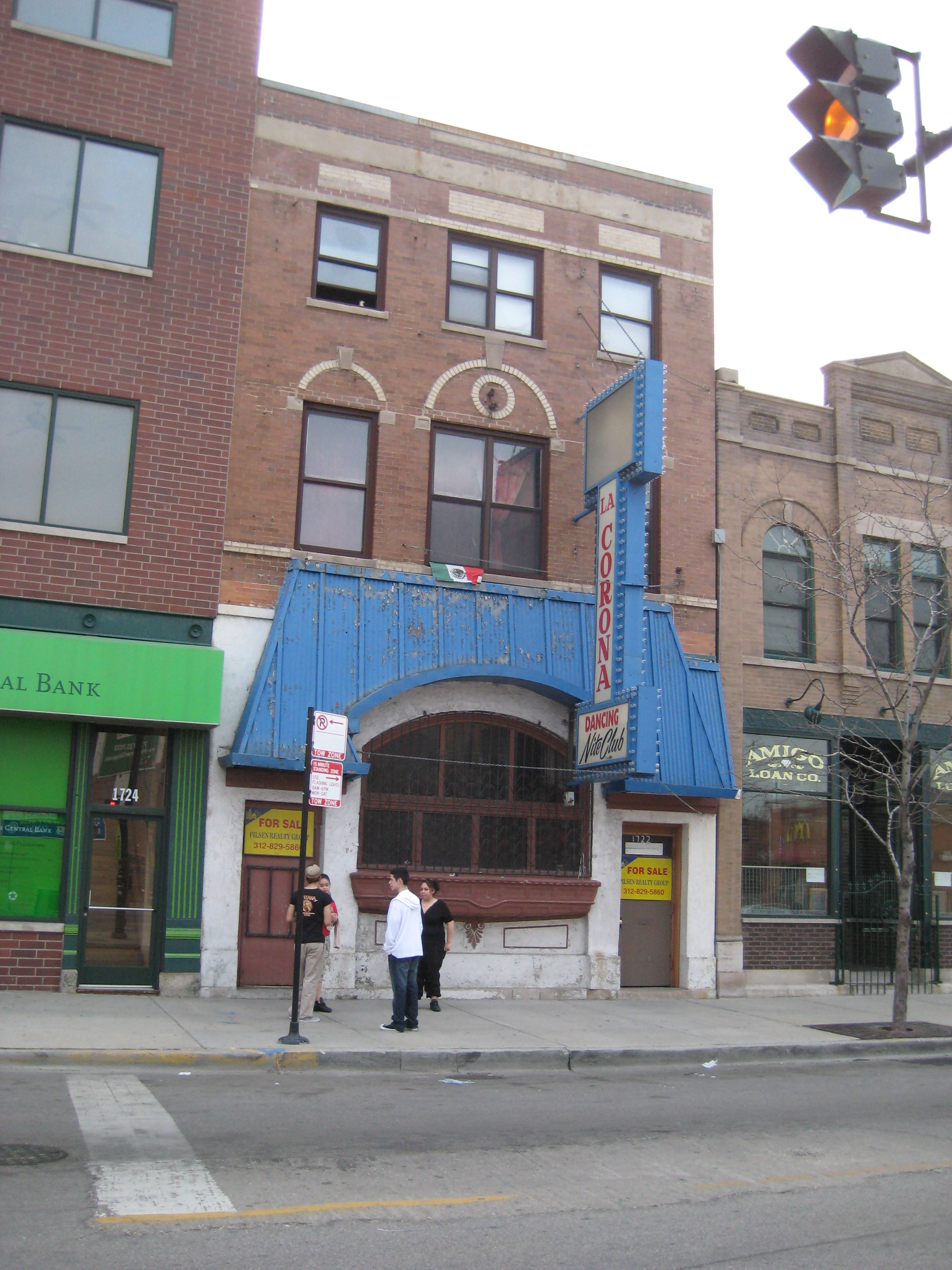
A closed nightclub - another sign that the older businesses are having hard times
Ugliest Building Ever - Wicker Park
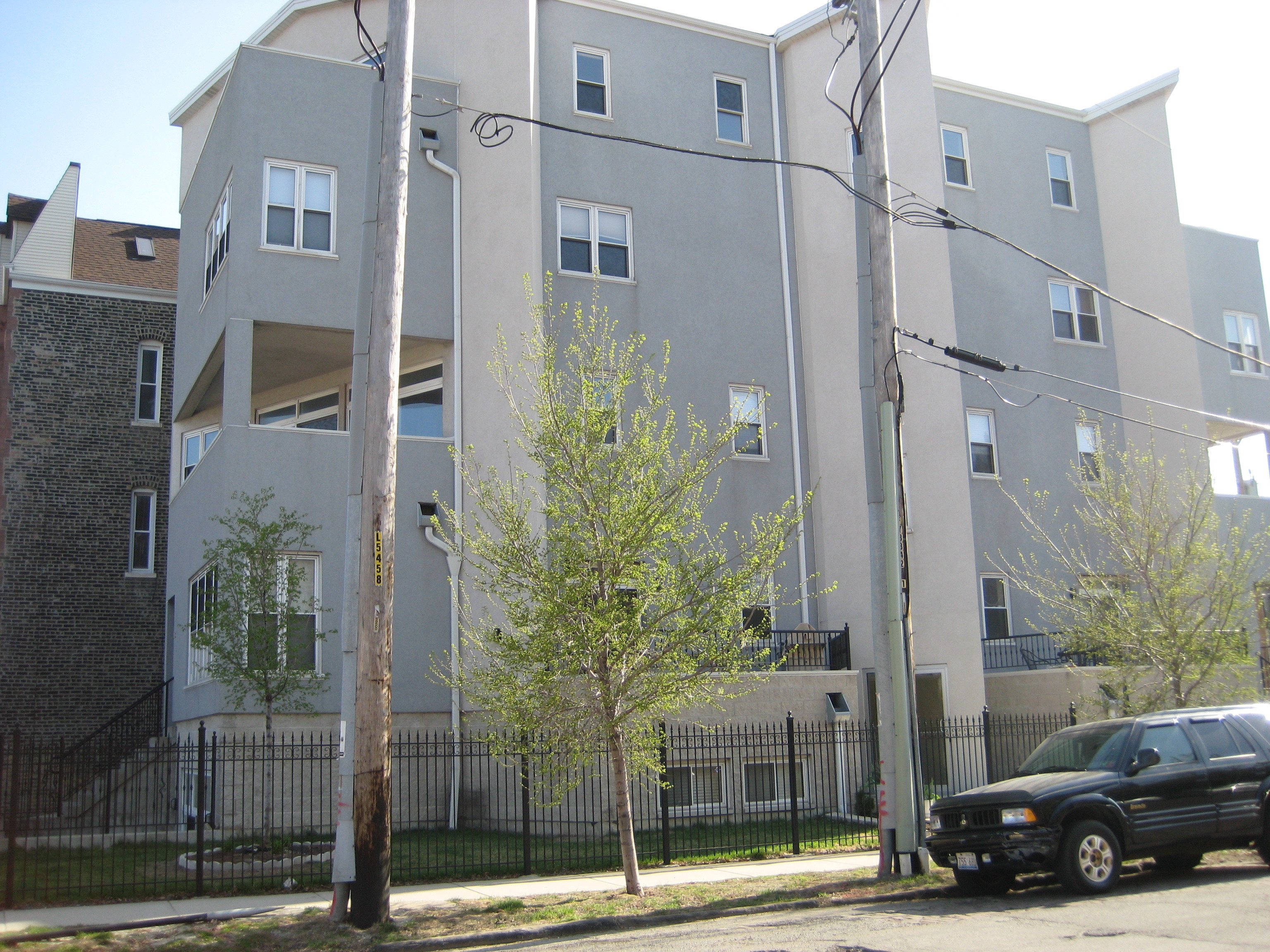
Not every architect designs their new luxury condo building to blend in with the older architecture. This horrible gray monstrosity is a fine example.
Beautiful building in Pilsen

After all that ugly, I had to counteract it with this very pretty and unusual Pilsen building
Wildlife in Humboldt Park
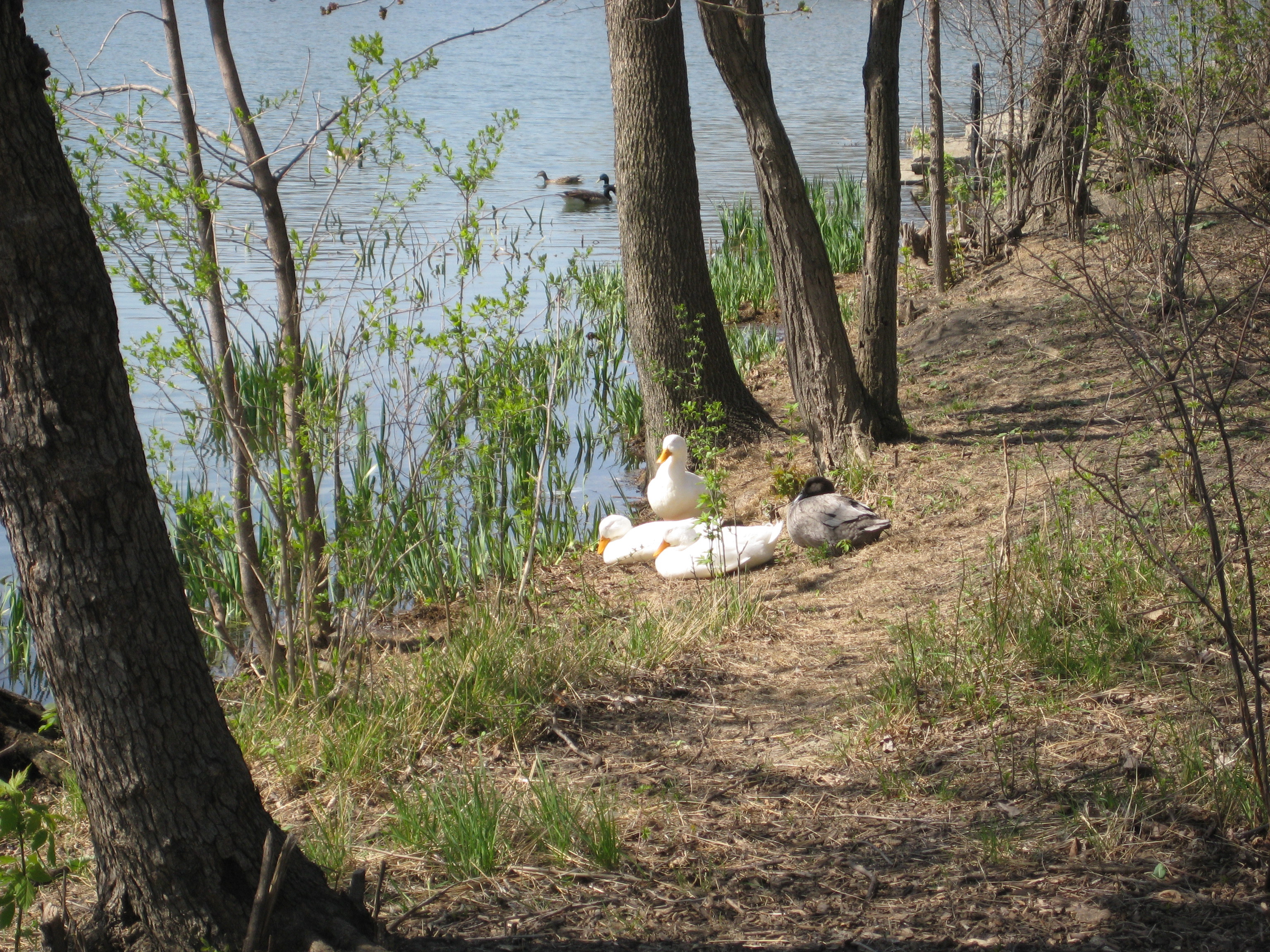
Humboldt Park the neighborhood contains Humboldt Park the park, somewhere between 1/2 and 1 square miles of greenery in the middle of the city
Fisherman & daughter in Humboldt Park
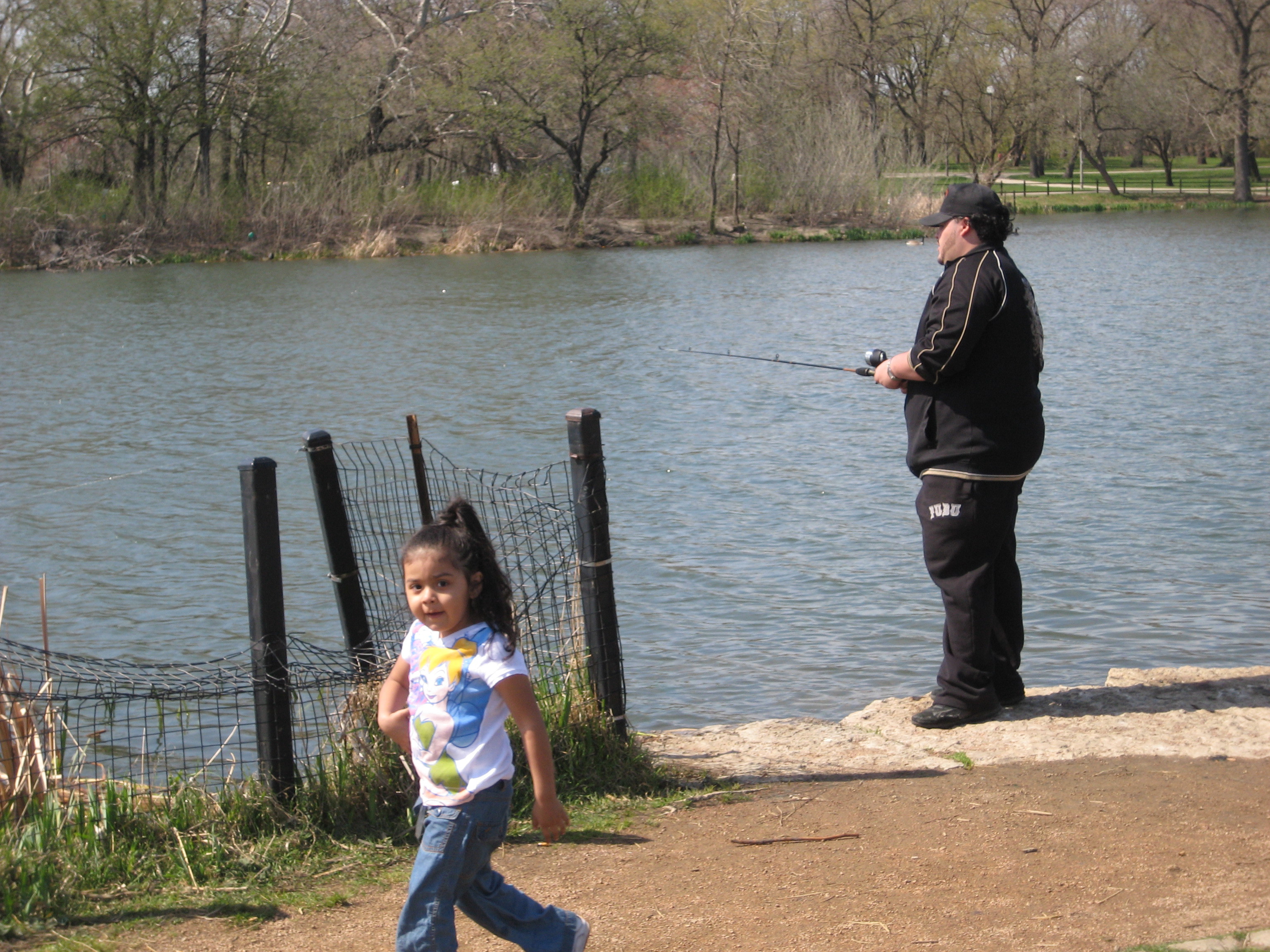
I cannot imagine that the urban fish are particularly healthy to eat though
No Alcoholic Liquors Allowed
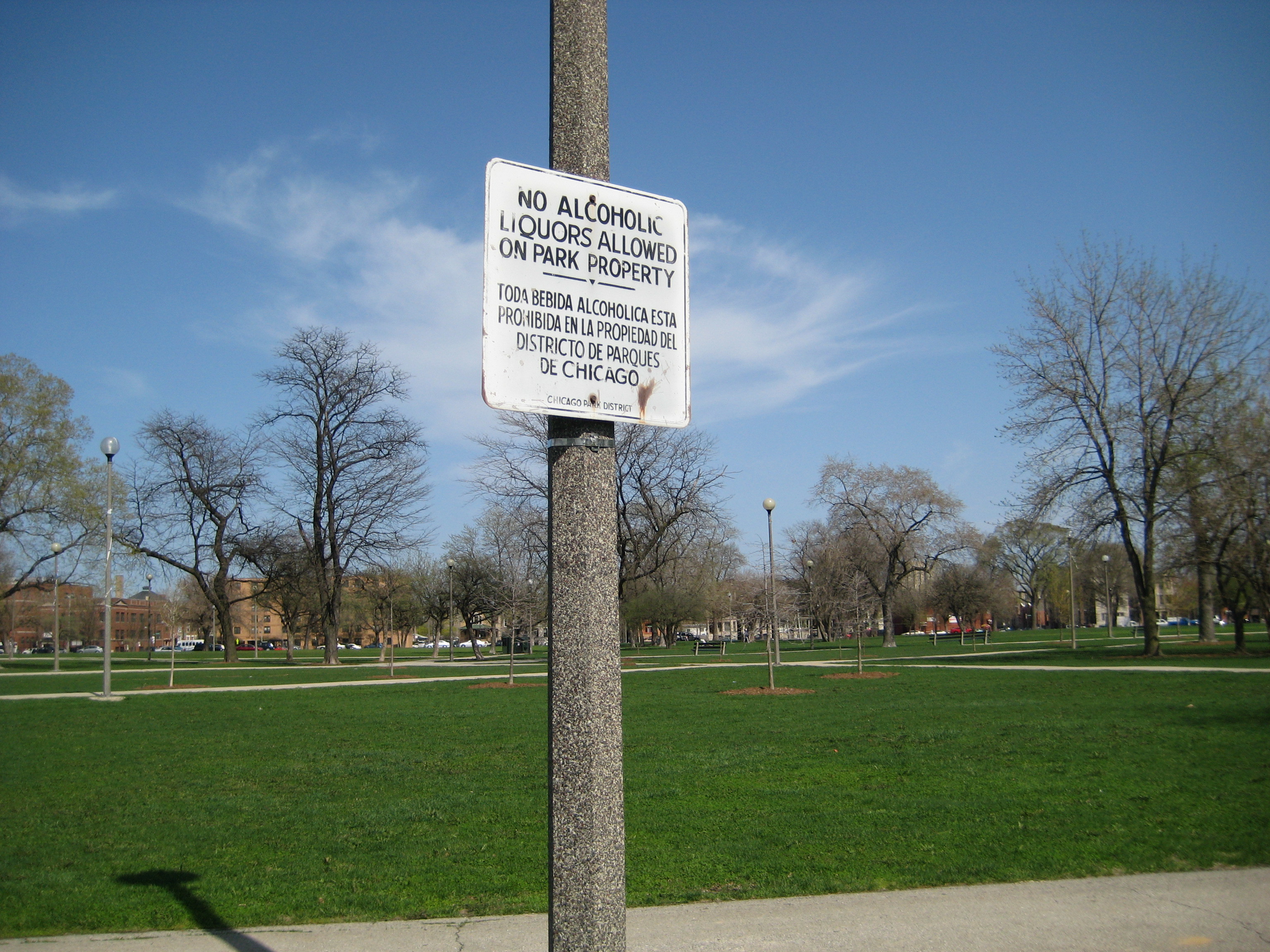
non-alcoholic liquors are OK though!
Context

Wicker Park - green Humboldt Park - blue Pilsen - purple
map of several blocks of Wicker Park
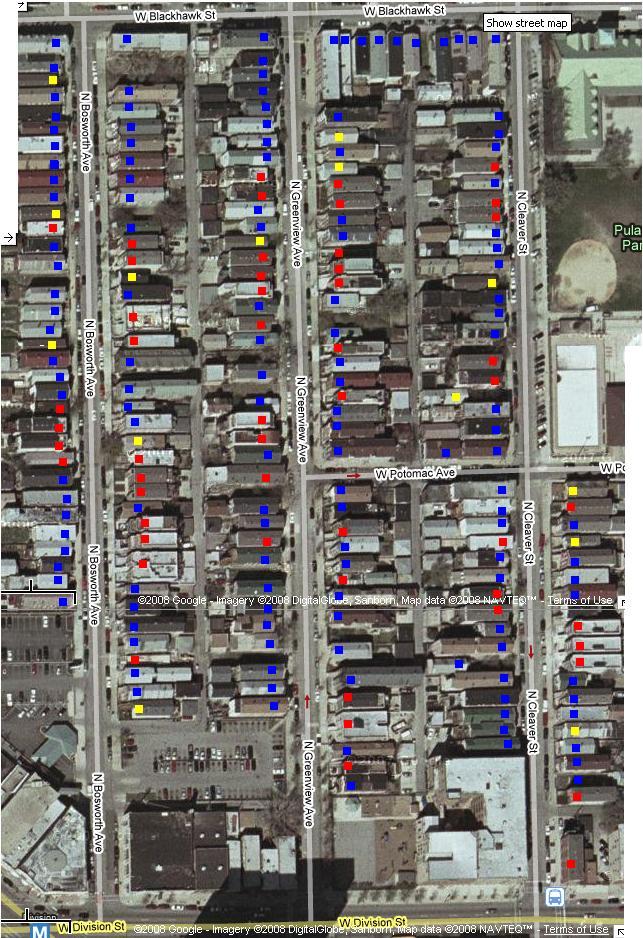
blue = old, red = new, yellow = unknown
map of several blocks of Humboldt Park
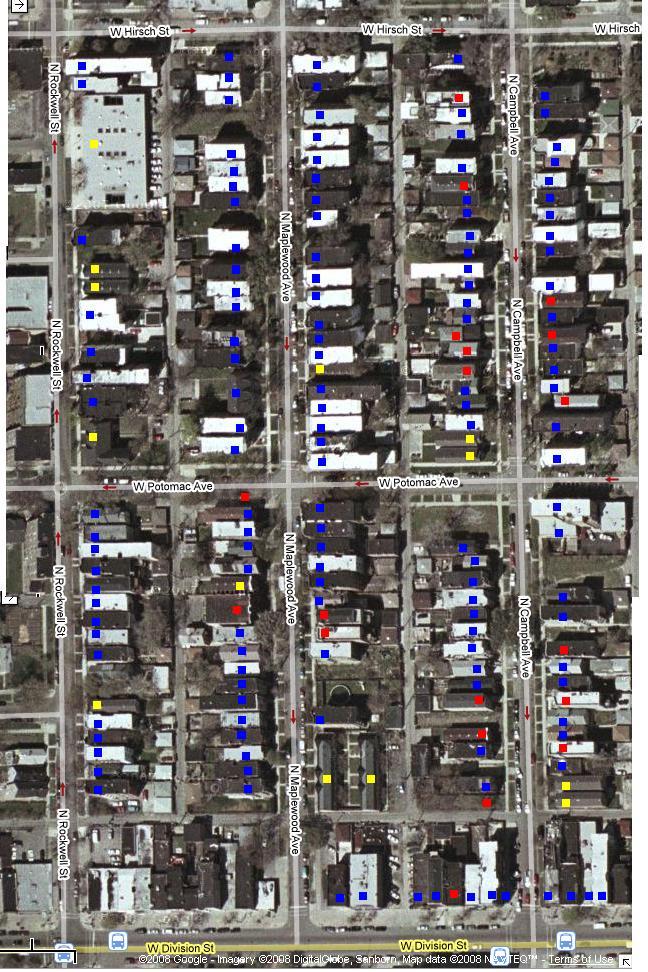
blue = old, red = new, yellow = unknown
map of several blocks of Pilsen
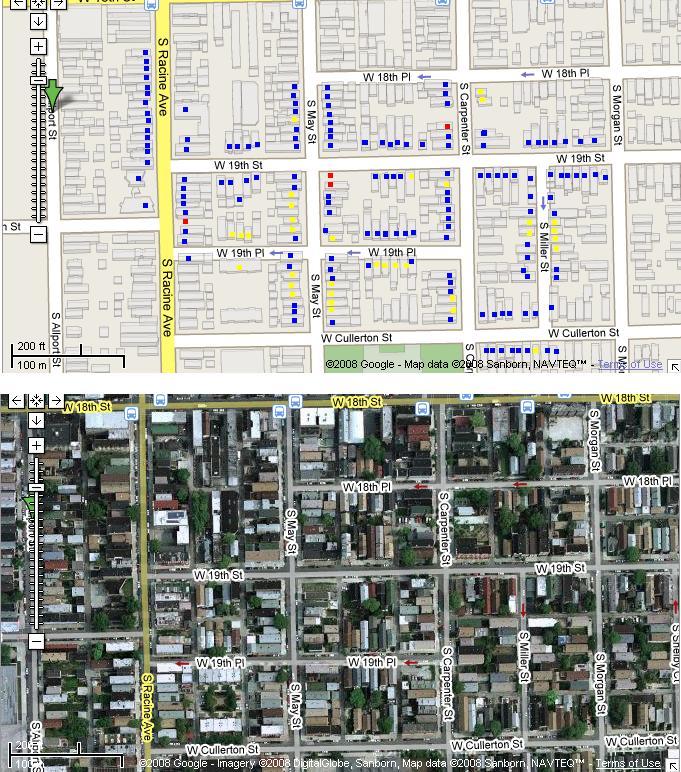
blue = old, red = new, yellow = unknown
Data
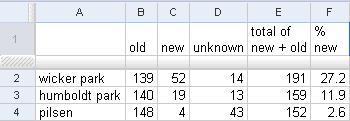
Nifty graph
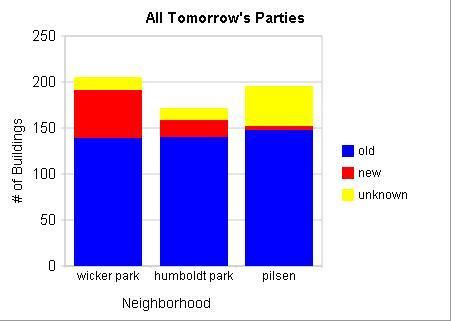
22 vote(s)

Sparrows Fall
5
TechnicallyNina Tasks Sometimes
5
lara black
5
Evil Sugar
5
meredithian
5
Adam
5
auntie matter
5
teh Lolbrarian
5
Lincøln
5
Dax Tran-Caffee
5
Myrna Minx
5
Loki
5
Jellybean of Thark
5
rehsamsevoL Lovesmasher
5
Burn Unit
5
Indy
5
Flitworth
5
Dela Dejavoo
5
Louis Sullivan
5
Spidere
5
Rachel's Reflection
5
EpicFail Gray
Favorite of:
Terms
foecake, chicago, foecakefleur12 comment(s)

I know! I am a total sucker for graphs. :)

Then I was a total dork and made a graph.
Whee!

I would be most interested to know how many of the new buildings are being sold as condos, as opposed to rented out as apartments.
Closer to my neighborhood the construction seems to be moving more from tearing down single family homes to build 3 flat walkup condos, or rehabbing large older apartment buildings and turning large one-bedrooms w/ dining rooms into two bedrooms with 1 1/2 baths (they usually sell for more.)

I would as well! Sadly, there's no way to tell from the outside...
That "beautiful building in Pilsen" is the home of the Jumping Bean Café, which is one of the most awesome places to have lunch... and chocolate mexicano. The proprietress never stops smiling, even when no one is looking.
I love the Praxis when it becomes a study of gentrification. We should design a street game based on this sort of research.
... I'm serious about the street game. We'll need to do some more pointed research, first, of course. Interested?
what do you feel are the more atrocious oversights of chicago urban planning?
one of the biggest is the spoke-like formation of the CTA, with no train lines linking to each other outside of the loop. the proposed Circle Line would definitely take steps to resolve this, but an even further-out circle would be nice too.
additionally, the fact that many of the buses do not run all the way north or south (ex. Ashland bus stopping its northbound run at Irving Park, or the Western bus broken into 3 separate routes - central, north and south) makes it more difficult to get from north to south without too many transfers.
those are just the public transit-related oversights that come first to mind. i'm not a driver, so i am not really super qualified to comment on highway urban planning, but i do think that having only 3 lanes heading out to O'Hare where 90 and 94 split is a sad oversight indeed, given that they are heading to one of the world's largest and busiest airports.

What you've got to remember is that, long ago, a lot of chicago's public transportation system was overhauled, and many systems, such as the old railcars, were dismantled. Personally I consider this one of the (oddly many) negative aspects of the removal of mob rule in the first half of the last century.
As a current Pilsen native, I find this fascinating, especially with all the non-players doing nothing but whining about how horrible gentrification is for them, when really they are one of the least affected out of these neighborhoods. Interesting research indeed!
Pilsen has resisted so well because of the residents' active attitude against gentrifiers; it is no mistake, by any means, that Wicker Park went so much faster.
A graph!
Squee!